
 English
 русский
 Français
 Español
 Deutsch
 عربى
عربى


Classic Peel and Stick Wallpapers: Guide, Styles & Installation
Contenido
The Renaissance of Removable Wall Coverings
Classic peel and stick wallpapers have revolutionized interior design by offering the aesthetic depth of traditional wall coverings without the permanence or mess of paste. These self-adhesive vinyl or fabric-backed sheets allow users to introduce timeless patterns such as damask, toile, and intricate florals with zero damage to underlying paint. This makes them an ideal solution for renters, frequent updaters, and DIY enthusiasts who seek high-end looks with minimal commitment.
Unlike temporary decals, high-quality peel and stick products are engineered to last 3–5 years while remaining fully removable. They utilize advanced adhesive technologies that bond securely to smooth surfaces but release cleanly when heated and pulled at the correct angle. This balance of durability and removability has elevated them from a novelty item to a respected category in home decor, capable of transforming accent walls, bathrooms, and even furniture surfaces.
Defining "Classic" Patterns and Design Aesthetics
When referring to "classic" styles in peel and stick wallpaper, we denote patterns that have stood the test of time, often drawing inspiration from historical periods like Victorian, Art Deco, or Mid-Century Modern. These designs add sophistication and visual interest without feeling trendy or dated.
| Pattern Style | Visual Characteristics | Best Room Application |
|---|---|---|
| Damask | Symmetrical, ornate, woven-look motifs | Dining rooms, formal living areas, bedrooms |
| Toile de Jouy | Pastoral scenes, intricate line work, monochrome | Powder rooms, libraries, nurseries |
| Vertical Stripes | Linear, elongating, structured | Hallways, low-ceiling rooms, offices |
| Botanical/Floral | Organic shapes, vines, large-scale blooms | Bedrooms, sunrooms, entryways |
Color Palette Considerations
Classic designs often rely on subdued, sophisticated palettes. Navy blues, charcoal grays, sage greens, and warm creams are prevalent. These colors enhance the timeless appeal and ensure the wallpaper integrates seamlessly with existing furniture. Avoid overly neon or saturated hues if aiming for a truly classic look, as they can detract from the intricacy of the pattern.
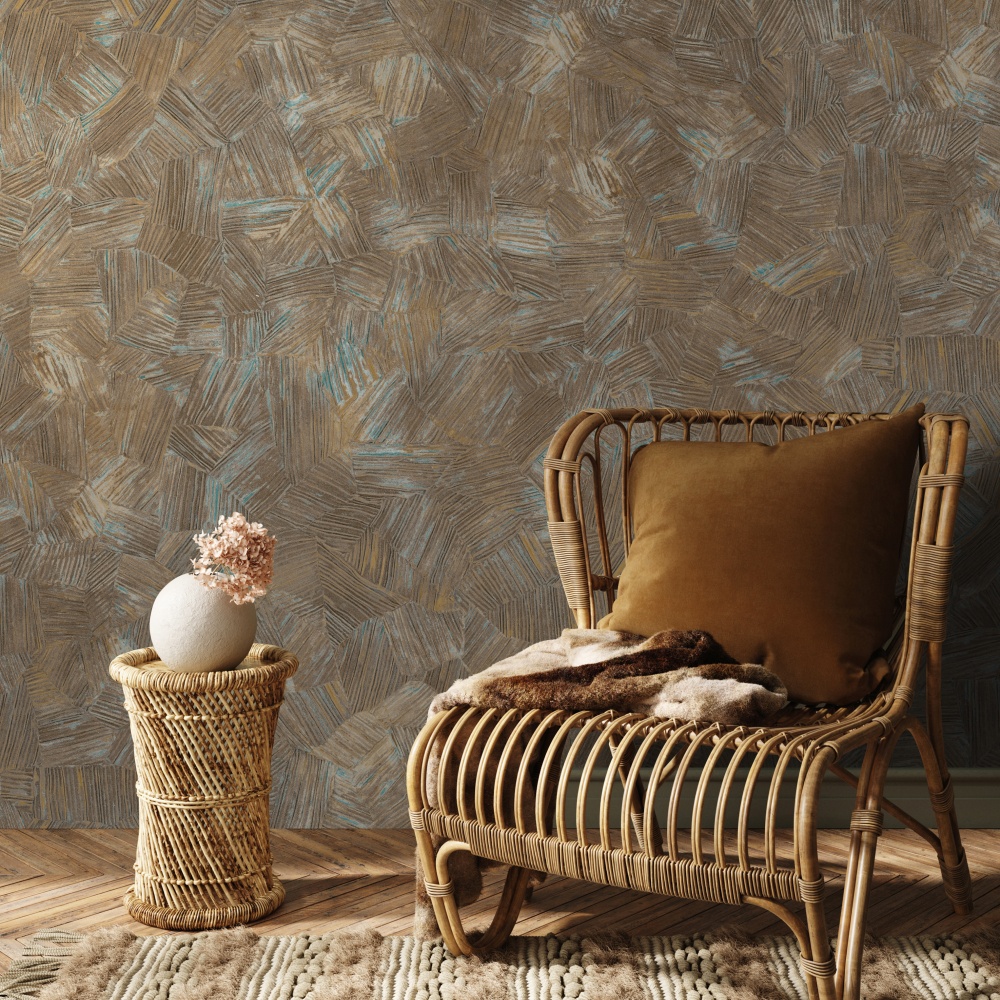
Material Quality and Adhesive Technology
Not all peel and stick wallpapers are created equal. The substrate material and adhesive quality determine ease of installation, durability, and removability. Understanding these components helps in selecting a product that performs well in specific environments.
- Vinyl (PVC): The most common material. It is durable, water-resistant, and scrubbable, making it suitable for kitchens and bathrooms. Look for matte or textured finishes to avoid a plastic-like sheen.
- Fabric-Backed Vinyl: Offers superior tear resistance and a more premium feel. The fabric layer adds stability, reducing the risk of stretching during installation, which is crucial for aligning complex classic patterns.
- Adhesive Strength: High-quality adhesives are pressure-activated. They should stick firmly within 24 hours but allow for repositioning during the first few minutes. Cheap adhesives may fail in humid conditions or leave residue upon removal.
- Opacity: Ensure the material is opaque enough to hide existing wall colors or minor imperfections. Thin materials may require a white primer underneath if covering dark walls.
Installation Best Practices for Flawless Results
While peel and stick wallpaper is user-friendly, proper preparation and technique are essential for a professional finish. Rushing the process can lead to bubbles, misalignment, and wasted material.
- Surface Preparation: Walls must be clean, dry, and smooth. Wipe down with a mixture of water and mild detergent to remove dust and grease. Fill any holes or cracks with spackle and sand smooth. Glossy paints should be lightly sanded to improve adhesion.
- Measurement and Cutting: Measure the wall height and add 2–3 inches of excess at the top and bottom for trimming. Cut panels before starting. For patterned wallpapers, account for the "pattern repeat" to ensure seamless alignment between strips.
- Application Technique: Peel back only 6–12 inches of the backing paper at a time. Align the top edge carefully, then use a squeegee or felt smoother to press the wallpaper onto the wall, working from the center outward to push out air bubbles. Slowly peel the rest of the backing while smoothing simultaneously.
- Trimming and Finishing: Use a sharp utility knife and a straight edge to trim excess material at the ceiling and baseboard. Wipe away any adhesive residue immediately with a damp cloth. Allow 24–48 hours for the adhesive to fully cure before exposing the wall to moisture or touching it frequently.
Troubleshooting Common Issues
If bubbles appear after installation, prick them with a fine needle and smooth flat. If edges lift, apply a small amount of strong double-sided tape or contact cement behind the corner. For humid areas like bathrooms, ensure the room is well-ventilated during and after installation to prevent moisture from compromising the adhesive bond.
Removal and Maintenance Guidelines
One of the primary benefits of classic peel and stick wallpapers is their removability. However, proper technique ensures no damage to the underlying drywall or paint.
- Heat Application: Use a hairdryer or heat gun on a low setting to warm the adhesive. This softens the glue, making it easier to peel. Start at a corner and pull slowly at a 45-degree angle.
- Residue Cleanup: If any adhesive remains, gently rub it with a mixture of warm water and vinegar or a commercial adhesive remover. Test on a small area first to ensure it does not affect the paint.
- Regular Cleaning: Most vinyl peel and stick wallpapers can be wiped with a damp cloth. Avoid abrasive scrubbers or harsh chemicals that may degrade the print or finish. Dust regularly with a microfiber cloth to maintain vibrancy.
By following these maintenance and removal guidelines, homeowners can enjoy the flexibility of changing their decor whenever inspiration strikes, keeping their living spaces fresh and personalized without the hassle of traditional renovation.
ACCESO EXCLUSIVO A PRODUCTOS,
OFERTAS E INSPIRACIÓN
-
Enlaces rápidos
Papel tapiz Personalizar Nuestra historia Fábrica Noticias Contáctenos -
Contáctenos
+86-19157608277 [email protected] Sala 509, T2, Centro de jardinería Fuyi, distrito de Shangcheng, ciudad de Hangzhou, provincia de Zhejiang, China

